
Sleep, Rest, Recovery
How sleep regulates the nervous system
Sleep is not a recovery tax. It is the floor every other practice stands on.
June 3, 2026
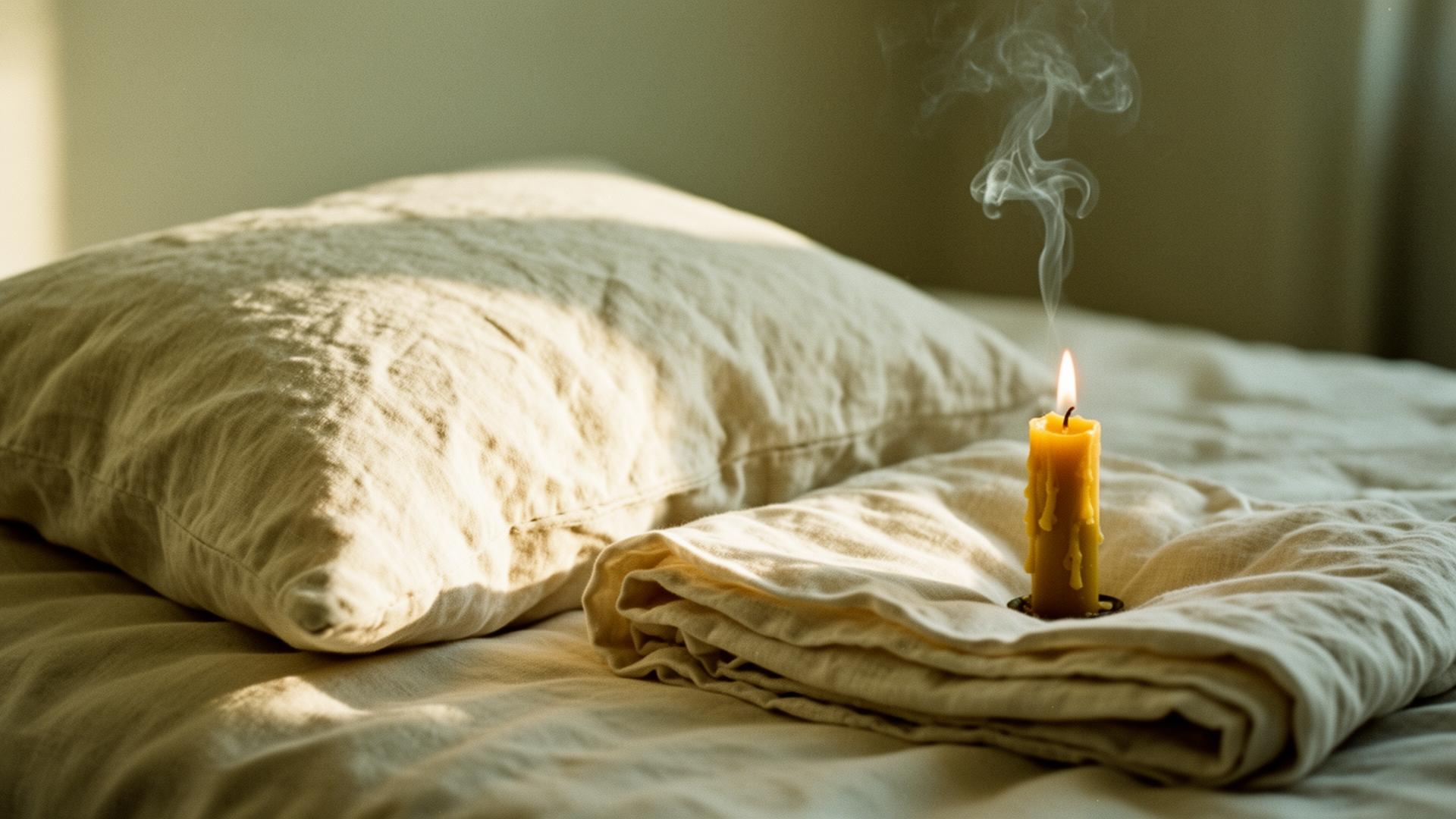
Most people who come to Cocoon are not sleeping well. They have not been for years. They have learned to function on top of it, and they have stopped noticing the cost.
Sleep is the floor. Without it, no breathwork, no therapy, no diet, no movement practice can hold.
What the night is doing
Across the night, the body cycles through deep sleep and REM. Deep sleep clears metabolic waste from the brain and rebuilds tissue. REM consolidates memory and processes emotional load. The nervous system uses the dark hours to come down from sympathetic activation and find parasympathetic ground.
When you cut the night short, or fragment it with alcohol, screens, or stress, you skip the parts that regulate you. You wake up already braced.
The signs sleep is the bottleneck
- You wake between 2 and 4 in the morning and cannot drop back.
- You feel tired and wired at the same time.
- Caffeine works less and less.
- Small things make you cry or snap.
- Your breath sits high in the chest all day.
If three of these are true, sleep is the first place to work, not the last.
What to do
Dim the lights two hours before bed. Eat dinner earlier. Get morning light in your eyes within an hour of waking. Train the breath in the daytime so the nervous system has a way down at night. Therapeutic breath retraining is one of the cleanest tools for that.
If the inner critic is what keeps you awake at 3am, the IFS piece is worth reading.
Where to begin
For one to one support, book a session. For the wider frame, why we see the whole person.